+1 845 259 2974 (11 a.m to 7 p.m CST)

Helping Your Teen Get Ready to Drive Alone
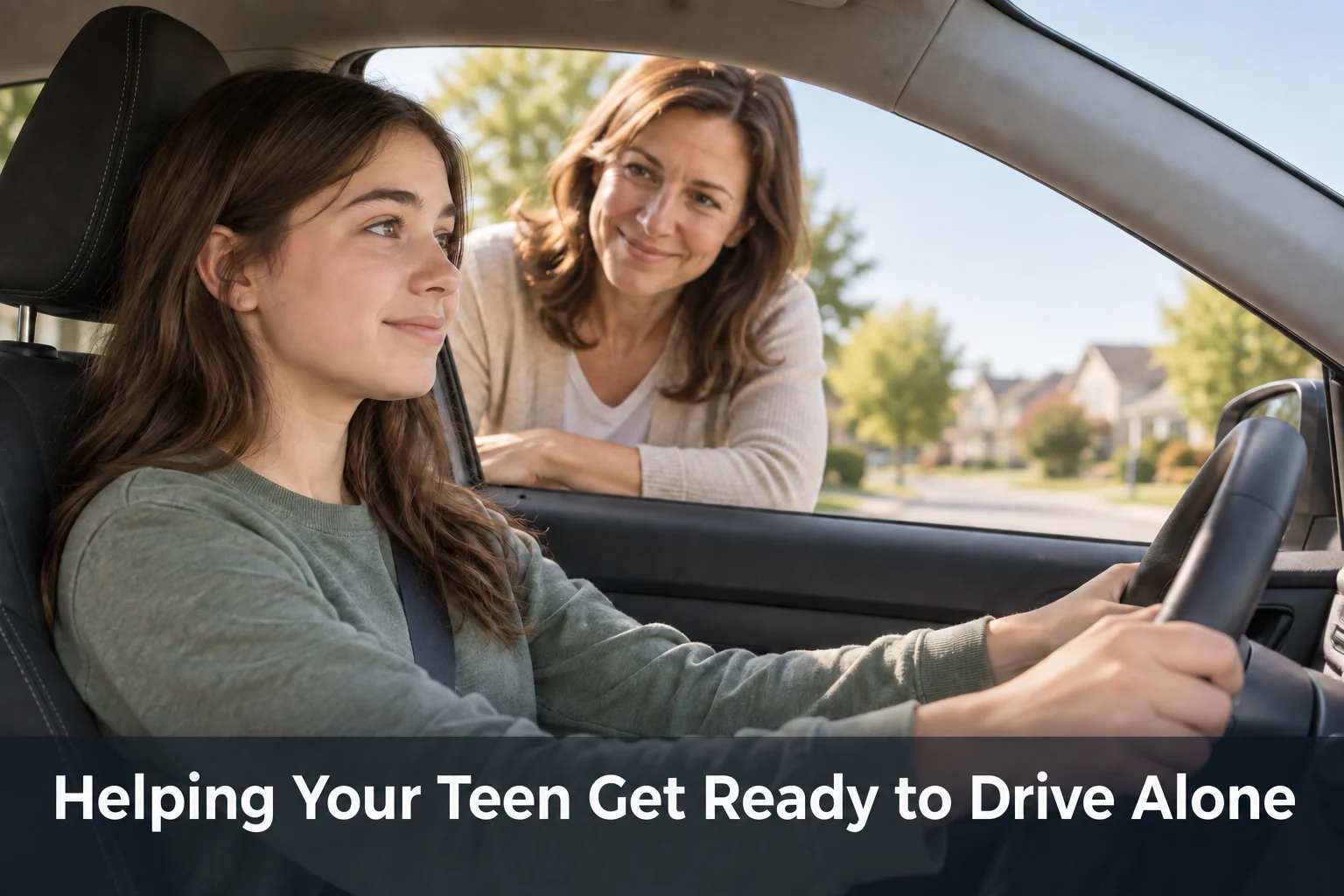
Getting a driver's license is a huge milestone for a teenager. For parents, it can be a slightly terrifying one.
You spend months sitting beside them, reminding them to check their mirrors, slow down or watch the car pulling out ahead. Then suddenly, they're allowed to take the car without you.
Passing the test matters, but being ready to drive alone is about more than that. New drivers need time to build experience, spot problems early and make sensible decisions when nobody is sitting beside them telling them what to do.
Don't Rush the Learning Stage
When your teenager is counting down the days until they can drive themselves around, it's easy for driver's ed to become something everyone just wants to get finished.
But learning to drive isn't something you can rush.
It's worth understanding how long driver's ed takes, because completing the course doesn't necessarily mean your teen can immediately start driving independently. The timeline varies depending on where you live, the course they're taking and their schedule. There may also be supervised driving hours and permit requirements to complete.
That extra time behind the wheel gives them a chance to experience different situations while they still have an experienced driver next to them. Building safe driving habits for teens before they begin driving independently can make that transition much easier.
Practice the Drives They'll Actually Make
Not every practice session needs to feel like a driving lesson.
Think about where your teenager will actually go once they have their license. If they'll be driving to school, work or sports practice, let them get used to those routes while you're still in the passenger seat.
Don't just stick to quiet, familiar roads either. The CDC recommends giving teens plenty of supervised driving practice, including experience on different roads and in different weather and traffic conditions at different times of day.
This doesn’t mean deliberately putting them into stressful situations. Gradually teaching teens to drive safely in different conditions can help ensure the first time they encounter heavy traffic or bad weather isn't when they're alone.
Let Them Make Some of the Decisions
This can be one of the harder parts for parents: knowing when to stop talking.
At the beginning, you're probably giving instructions constantly. As they become more experienced, give them a little more space to notice things for themselves.
If there's a car slowing ahead, for example, see whether they react before immediately telling them what to do. You can always discuss it afterwards if they missed something.
It gives you a much better idea of how they'll behave when you're no longer there prompting them.
Talk About Distractions
Phones are the obvious distraction, but they're not the only one. Friends in the car, music, eating, directions or simply being tired can all take attention away from driving.
Talk about these things before your teen starts driving alone. It's also worth agreeing on family rules around passengers, nighttime driving and phone use.
Most importantly, make sure they know they can call you if they ever feel uncomfortable or unsafe. If they're tired, lost or stuck somewhere, you want them to ask for help rather than make a bad decision because they're worried about getting into trouble.
Confidence Comes With Experience
A nervous new driver isn't necessarily an unsafe one, and a very confident teenager isn't necessarily ready for every situation.
What you're looking for is steady progress. Can they control the car comfortably, notice what's happening around them and make sensible decisions without constant reminders?
Getting their license is a big moment, but it isn't where learning stops. The more varied experience they have before driving independently, the less daunting that first solo drive should feel, for them and for you.