+1 845 259 2974 (11 a.m to 7 p.m CST)

How to Make Your Teen Car Accident Proof
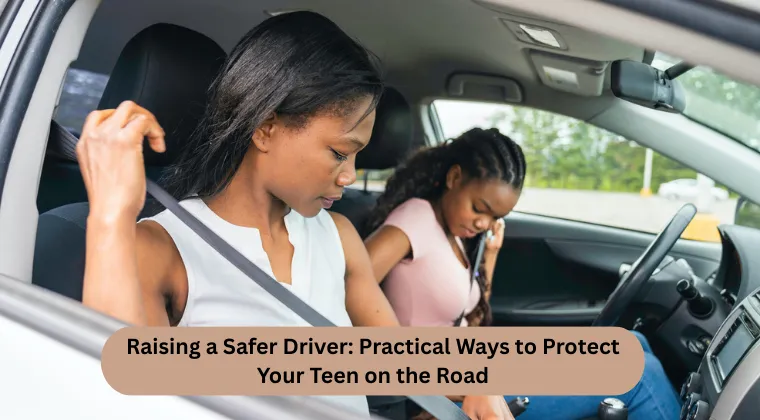
Handing your teenager the car keys can feel like standing at the edge of a cliff. You want to trust them. You want to see them grow. But you also know that the road is not gentle with inexperience. No parent can make a young driver completely accident proof. What you can do is reduce risk, build judgement, and shape habits that stay with them for life.
This guide is not about fear. It is about preparation, consistency, and honest conversations that many families avoid. If you approach it steadily, you can lower the chances of a crash and help your teen become a careful, responsible driver.
Start Before They Ever Touch the Wheel
Safety does not begin with the driving test. It starts years earlier with observation and conversation.
Children watch how you drive. They notice whether you speed through amber lights, check your phone at junctions, or mutter about traffic rules. By the time they sit in the driver’s seat, they have already absorbed your example.
If you want a cautious teen driver, model cautious driving yourself.
- Follow speed limits without complaint
- Use indicators consistently
- Keep your phone out of reach
- Show patience in traffic
When teens see safety treated as normal rather than optional, they carry that mindset forward.
Understand the Real Risks Teen Drivers Face
Teen crashes are rarely caused by bad luck. They usually involve predictable risk factors:
- Distraction, especially phones
- Speeding
- Driving with friends in the car
- Fatigue
- Alcohol or drugs
Two common issues deserve special attention.
One is risky behaviour that spreads through trends. Many parents are unaware of how online challenges influence driving behaviour. It helps to understand the wider picture. This guide on dangerous teenage trends explains how certain behaviours gain popularity and why they can spill into real world driving decisions:
The second issue is alcohol. Even teens who seem sensible can misjudge peer pressure. Drunk driving remains one of the leading causes of fatal crashes among young people. If you have not already done so, read this detailed look at the teen drunk driving problem:
Knowledge helps you speak clearly rather than emotionally when the topic arises at home.
Build Skills Slowly and Properly
Passing a driving test does not mean a teen is fully prepared. It simply means they meet the minimum standard.
Spend months practising in varied conditions:
- Night driving
- Heavy rain
- Motorways
- Rural roads
- Busy city traffic
Each setting requires a different kind of awareness. A young driver who has only practised in calm daylight traffic is not ready for sudden changes.
Sit quietly during practice sessions. Resist the urge to criticise every small mistake. Instead, choose one area to improve after each drive. Calm feedback builds confidence. Constant tension builds anxiety.
Create Clear Family Driving Rules
Teens respond better to written expectations than vague warnings.
Create a simple driving agreement. Include rules such as:
- No phone use while driving
- No more than one passenger for the first six months
- No driving after a certain hour
- Zero tolerance for alcohol or drugs
- Immediate reporting of any accident, even minor
Post it somewhere visible. Make sure the rules apply every day, not just when you feel worried.
Consistency is key. If you ignore a broken rule once, it weakens the standard.
Limit Distractions Aggressively
Distraction is one of the biggest causes of teen crashes.
Phones are the main culprit. Even a quick glance at a message can mean missing a brake light ahead. Many parents assume their child can handle it. They cannot. The teenage brain is still developing impulse control.
You can:
- Install driving mode apps that block notifications
- Keep phones in the glove box
- Set clear consequences for phone use
Passengers are another risk. Teens drive differently when friends are present. They may take chances to impress others. Restrict passengers until your teen has at least a year of independent driving experience.
Talk Honestly About Alcohol and Drugs
This is uncomfortable but essential.
Many teens believe they can “handle” a drink. They underestimate how quickly alcohol affects reaction time and judgement. They also fear calling parents for help if they have made a poor decision.
Tell your teen clearly:
If you are ever in a situation where you should not drive, call me. I will come. We will deal with the rest later.
This simple promise saves lives.
Do not rely on scare tactics. Instead, explain how alcohol slows brain processing and increases overconfidence at the same time. That combination is dangerous. Real stories and factual information make more impact than shouting.
Choose the Right First Car
A powerful sports car may look impressive, but it is rarely the safest choice for a beginner.
Look for:
- High crash test ratings
- Stability control
- Anti lock braking systems
- Airbags on all sides
- A modest engine size
Avoid older vehicles without modern safety features. Saving money on the car is not worth increasing risk.
It may feel unfair when your teen compares their car to a friend’s flashy model. Stay firm. Safety comes first.
Monitor Without Spying
Trust matters. So does supervision.
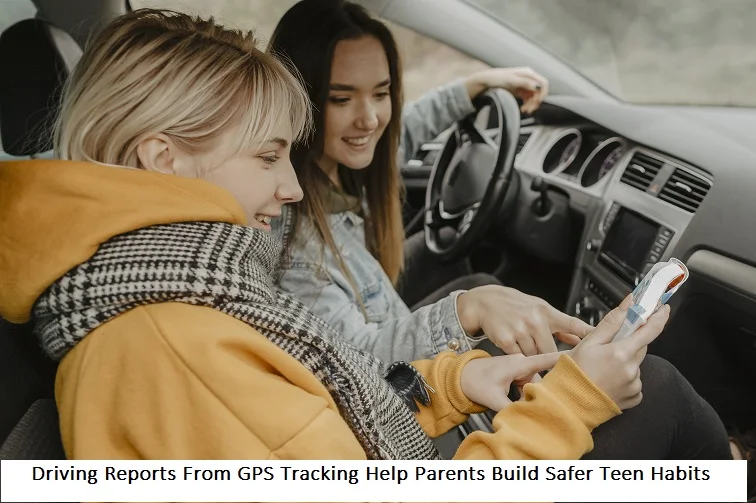
Technology now allows parents to monitor driving speed, harsh braking, and location. Used wisely, this can guide conversations rather than create conflict.
Explain openly why monitoring exists. Frame it as support, not suspicion.
Review reports together. Ask questions such as:
- What happened here?
- Were you feeling rushed?
- How could you handle that differently next time?
Avoid turning every data point into an argument. The goal is growth.
Address Fatigue and Emotional Driving
Teens often underestimate tiredness. Late night study sessions, social events, and early school mornings combine to create exhaustion.
Driving while tired can be as dangerous as driving under the influence. Reaction times slow. Focus drifts.
Encourage:
- Adequate sleep
- No driving after long events
- Sharing lifts when exhausted
Also discuss emotional driving. Arguments, break ups, exam stress. These moments cloud judgement. Remind your teen that pulling over for a few minutes is not weakness. It is wisdom.
Practise Defensive Driving
Defensive driving means expecting mistakes from others.
Teach your teen to:
- Keep safe following distances
- Scan ahead, not just directly in front
- Anticipate sudden lane changes
- Avoid blind spots
- Slow down at intersections
Make this part of regular practice. Narrate your own driving decisions when they are in the passenger seat.
For example:
“I’m slowing here because that driver looks unsure.”
Hearing your thought process trains theirs.
Encourage a Safety Mindset, Not Just Rule Following
Rules alone are not enough. Your teen must understand why they exist.
Explain physics in simple terms. A car travelling at higher speed carries more force. Stopping distance increases dramatically. A small mistake at 30 mph is different from the same mistake at 60 mph.
When teens grasp consequences in concrete terms, they make wiser decisions even when you are not present.
Know When to Step Back
Some parents hold too tightly. Others let go too quickly.
Gradual independence works best.
Start with short local trips. Move to longer drives. Then allow limited night driving. Increase freedom as responsibility grows.
If your teen breaks a rule, respond calmly but firmly. Remove driving privileges for a set period. Explain the reason. Avoid personal attacks.
Driving is a privilege, not a right.
Prepare for the Worst Without Living in Fear
No one likes to imagine an accident. Yet preparation reduces panic.
Make sure your teen knows:
- How to call emergency services
- What information to exchange after a crash
- Why they should never leave the scene
- How to stay calm and safe
Keep emergency contact numbers in the car. Ensure insurance details are accessible.
Discuss what to do if another driver is aggressive. Instruct them to stay in the vehicle, lock doors, and call for help if needed.
This conversation may feel heavy. But avoiding it does not prevent reality.
Build Open Communication
If your teen fears punishment more than danger, they may hide mistakes.
Make it clear that honesty matters most.
When something minor happens, such as a scratched bumper, focus on problem solving rather than anger. Yes, you may feel frustrated. But long lectures often close doors.
Ask yourself what matters more. A flawless car or a safe, honest child?
There will be moments when you lie awake worrying. That is part of parenting. I remember the first evening my son drove alone. I kept checking the clock, telling myself not to panic. When he walked through the door safely, I felt a wave of relief so strong it nearly brought tears. That feeling never fully disappears.
Encourage Additional Training
Consider enrolling your teen in an advanced driving course after they pass their test.
These courses often include:
- Hazard perception training
- Emergency braking practice
- Skid control sessions
- Real world scenario drills
Such experience builds muscle memory that cannot be gained through ordinary lessons.
Address Peer Pressure Directly
Peer influence does not end in childhood.
Your teen may feel pushed to drive faster, take dares, or transport too many friends.
Discuss scenarios in advance. Ask:
- What would you say if a friend asked you to speed?
- How would you handle being pressured to drive after someone has been drinking?
Rehearsing responses builds confidence.
It is easy to assume “my child would never”. Many parents think that. Yet one poor choice can change everything in seconds.
Accept That You Cannot Control Everything
This is perhaps the hardest truth.
You can train, guide, restrict, and supervise. But at some point, your teen drives alone. You must trust the foundation you built.
What you can control is preparation. You can shape habits. You can keep communication open.
That is not perfection. It is parenting.
A Final Word From One Parent to Another
Making your teen “accident proof” is not about wrapping them in cotton wool. It is about steady teaching, honest talk, and clear boundaries.
You will worry. That does not mean you are weak. It means you care.
Teach them to respect the road. Teach them to value life. Teach them to pause when unsure.
If you do those things consistently, you will have done everything within your power.
And sometimes, that is enough.