+1 845 259 2974 (11 a.m to 7 p.m CST)

What Parents Can Do to Prevent Child Abuse?
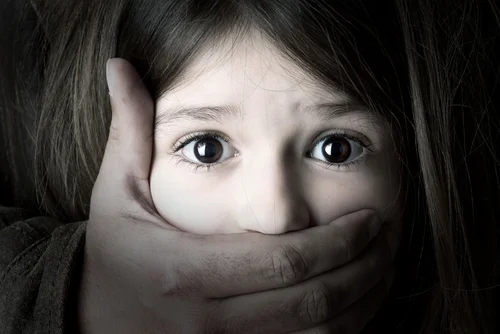
Just hearing the words child abuse can make your stomach twist. No parent ever wants to think about it, yet it’s something that happens far too often. And pretending it doesn’t exist doesn’t protect our children, awareness does.
It is hard read. But if you’re here, it means you care. It means you want to make sure your child feels safe, loved, and protected. That alone already puts you steps ahead. So, grab a cup of tea, take a breath, and let’s talk honestly about what parents can really do to prevent child abuse.
Why Talking About Child Abuse Matters
Children aren’t just smaller versions of adults; they’re tiny hearts that believe the world is kind. They trust easily. They believe what they’re told. That’s what makes them beautiful. and also, what makes them vulnerable.
Child abuse doesn’t always come from strangers in dark corners. Most times, it comes from people children already know, sometimes even love. That’s what makes this topic so difficult. But also, that’s why parents matter most. You’re their first line of safety, their comfort, and their guide through life.
Knowing what to watch for, what to teach, and how to build trust can truly change everything.
1. Build Trust So Strong They Can Tell You Anything
The first step isn’t about rules or warnings, it’s about trust.
Children won’t talk about hard things if they think you’ll get angry, shout, or panic. So, start now. Make it normal for them to talk to you about anything , from a silly dream to something that made them feel uncomfortable.
Use gentle language. You don’t have to lecture them. Just be present. Ask, “How did that make you feel?” instead of “Why did you do that?” Show them you’re always on their side, even when they mess up. Because if something serious ever happens, you want their first instinct to be — “I can tell Mum or Dad.”
2. Teach Body Boundaries Early
You don’t have to wait till they’re older. Start teaching body safety when they’re toddlers. Make it as normal as teaching them to brush their teeth.
Tell them:
“Your body belongs to you.”
“No one is allowed to touch you in a way that feels wrong or makes you uncomfortable.”
“If someone asks you to keep a secret that makes you feel bad, always tell me.”
Use proper names for body parts, it might feel awkward, but it gives children confidence to speak clearly if something happens. Avoid confusing terms like “private parts” or “down there.” Clarity can save confusion later.
And most importantly, teach them to say no. Even to adults. Even to relatives.
If they don’t want a hug or kiss, respect it. Let them know they can decide what feels right for them. When you respect their “no,” they’ll learn to respect it too.
3. Keep an Eye Without Being Over the Top
You don’t need to follow your child everywhere, but you should know where they are, who they’re with, and what they’re doing , especially online. We live in a digital world where strangers can reach your child through a simple message. Social media, gaming apps, even school chats, they all carry risks. Use parental controls, but also explain why. Encourage them to come to you if something online feels odd.
4. Don’t Ignore Your Gut Feeling
There’s something powerful about a parent’s instinct. You might not have proof, but your heart knows when something isn’t right. Maybe your child acts strange around a certain person. Maybe they suddenly don’t want to go to school, practice, or a relative’s house. Maybe they start wetting the bed again or become unusually quiet.
Trust that feeling. Ask questions gently. Pay attention to patterns. And never let anyone make you feel like you’re “overreacting.” You’re not. You’re protecting your child. And that’s your most important job in the world.
5. Teach Them About “Safe” and “Unsafe” Secrets
Abusers often use fear and shame to keep children silent. They might say things like, “This is our little secret” or “If you tell anyone, I’ll get in trouble.”
You can stop that power right at home by teaching the difference between good secrets and bad secrets.
6. Watch for Sudden Behaviour Changes
Sometimes children can’t explain what’s happening, but they’ll show you in other ways.
They might:
- Avoid certain people or places.
- Become quiet, anxious, or angry.
- Have trouble sleeping or nightmares.
- Lose interest in things they used to love.
- Show sudden fear of being alone.
These changes don’t always mean abuse, life itself can stress children out. But they do mean something’s wrong, and they need your help.
7. Be Present — Really Present
Modern life makes it so easy to get lost in screens, work, and stress. But the truth is, kids don’t remember the fancy things you bought. They remember your presence. They remember you listening, laughing, being there. The more connected you are, the more likely they’ll come to you when something’s off.
Presence is protection.
8. Keep Discipline Gentle and Respectful
Some parents still believe in “a slap never hurt anyone.” But it does. It teaches fear instead of respect. If you lose your temper (we all do sometimes), say sorry. Show them what accountability looks like. Because when they see you owning your mistakes, they learn it’s okay to speak up when something’s wrong.
9. Create a Circle of Trust
Your child should have more than one safe adult they can talk to, a grandparent, teacher, or family friend. It’s not about replacing you; it’s about giving them a safety net.
Sometimes, children are scared to tell their parents everything. And that’s okay, as long as they tell someone safe.
10. Protect Them Emotionally Too
Abuse isn’t only physical. Words can bruise the heart just as much as a slap can bruise the skin. So, watch how you speak to them, and around them. Children believe every word their parents say. If they hear “You’re so annoying” often enough, they start to believe they are.
11. Keep Conversations Natural
Don’t wait for “the talk.” Make safety conversations part of daily life. Talk while cooking, driving, or folding laundry. Keep it casual. That’s how children absorb it best. Keep your tone open and kind. Because if you sound angry or anxious, they’ll hold back.
12. Stay Calm If They Tell You Something Hard
This is the hardest part. If your child ever confides something serious , take a breath before reacting. Your first response can shape everything that happens next. Don’t yell, cry, or question their truth.
13. Don’t Blame Yourself for Being Careful
You’ll meet people who say, “You’re too protective,” or “You’re overreacting.” Ignore them. There’s no such thing as being too cautious when it comes to your child’s safety.
You’re not raising a bubble child. You’re raising a safe one.
14. Teach Them to Trust Their Feelings
Children often know when something feels off, but they doubt themselves because adults dismiss them. Teach your child that their feelings matter. If they say they don’t want to hug someone, don’t force it. Respect that choice. That’s how they learn their body and emotions are their own.
Seek Help If You Feel Overwhelmed
Parenting is exhausting. No one says that enough. You’re constantly balancing work, emotions, finances, and guilt. And sometimes, even loving parents lose patience or feel numb. If that’s you, please get support.
Parenting isn’t about perfection. It’s about presence, patience, and love. You don’t need to know all the answers. You just need to be there, to listen, and to believe your child always. If you do nothing else after reading this, do this one thing tonight —
Hold your child close. Look them in the eyes and say,
“You are safe. You can always talk to me. And I love you, no matter what.”
That simple sentence could be the shield they carry forever.