+1 845 259 2974 (11 a.m to 7 p.m CST)

Working Moms: Lean on Your Teen for a Time Out!

Morning alarms go off too early. Lunch boxes need filling. Emails start piling up before the kettle even boils. For many working mums, the day begins already tired. The workday ends, but the second shift at home is waiting quietly, sometimes not so quietly.
Somewhere in the middle of this routine is a teenager. Often misunderstood. Often labelled as moody or distant. Yet right there is someone who can help carry a little of the load, if given the chance.
This is not about handing over adult responsibilities or turning teens into replacement parents. It is about balance. It is about trust. It is about allowing yourself a short time out without guilt. And yes, it is about letting go of the idea that you must do everything alone.
The Quiet Weight Working Mums Carry
Working mums rarely complain out loud. Bills need paying. Careers matter. Children still need care, food, and attention. There is pride in managing it all. But beneath that pride sits exhaustion that slowly builds.
Many mums feel torn between meetings and school runs. Between deadlines and dinner. Even on good days, the mental load stays heavy. Remembering appointments. Tracking moods. Keeping everyone afloat.
When support is missing or limited, that pressure grows. This is even more true in single-parent homes, where there is no second adult to tag in when energy runs low. If this sounds familiar, this guide on Some Ways to Reduce the Single Mom Stress offers practical steps that feel realistic, not idealistic.
Teens are Not Children, But Not Adults Either
Teenagers live in a strange in-between space. They want independence, yet still need guidance. They push away, then pull close. It can feel confusing to know what to expect from them.
What often gets missed is that teens want to feel useful. They want to be trusted. They want to know they matter beyond school grades and screen time limits.
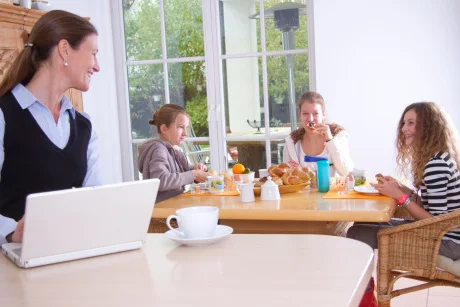
When working mums involve teens in everyday life, something shifts. The home feels less like a one-person operation. Teens start seeing the effort behind the scenes. Mums start breathing again, even if just for a moment.
This does not happen overnight. It grows slowly, through small choices and honest conversations.
Why Leaning on Your Teen is Not Bad Parenting
There is a common fear that asking teens for help will rob them of their childhood. That fear deserves care, but it also needs balance.
Helping at home teaches life skills. It builds empathy. It shows teens that families function best when everyone contributes. These lessons do not harm. They strengthen.
What harms children more is chronic stress in the home. When a parent is constantly overwhelmed, emotions spill over. Tension becomes normal. Silence grows louder.
Research into family dynamics has shown that emotional strain in single-parent households can affect children deeply. This detailed piece on the negative psychological effects of a single-parent family on children explains how stress, not structure, often causes the most damage.
Letting teens help is not weakness. It is modelling healthy cooperation.
Small Ways Teens Can Help that Actually Matter
This is not about handing over a long chore list and walking away. Start small. Start specific.
Teens can:
- Prepare simple meals once or twice a week
- Help younger siblings with homework
- Handle one regular household task without reminders
- Walk the dog or run small errands
- Tidy shared spaces, not just their own rooms
The key is consistency. One task done well is better than five done badly. When teens know what is expected, they often rise to it.
And yes, some days they will complain. That is normal. What matters is the pattern, not the mood of the moment.
The Emotional Help Teens Offer Without Realising
Practical help is only one part. Emotional support often comes quietly.
A cup of tea made without asking. A quick check-in after a hard day. Sitting nearby while you work. These moments matter more than they look.
Teens learn empathy when they see honesty. Saying, “I am worn out today” teaches them emotional language. It shows them that feelings are not weaknesses to hide.
Many mums worry about burdening their teens with adult feelings. The truth is that pretending everything is fine often causes more confusion. Honest, age-appropriate openness builds trust.
Just remember, you are sharing, not unloading. There is a difference.
Letting Go of Guilt Around Rest
Rest feels undeserved for many working mums. There is always something else to do. Someone else to help. Another task waiting.
But rest is not laziness. It is maintenance.
When teens step in, even briefly, mums get a chance to reset. A short walk. A quiet cup of coffee. Ten minutes without being needed.
These pauses prevent burnout. They reduce irritability. They make patience possible again.
And teens notice the change. They feel the calmer energy. Homes feel lighter when mums feel human again.
How to Ask for Help Without Conflict
The way help is requested matters.
Avoid shouting instructions across rooms. Avoid sarcasm. Avoid waiting until frustration boils over.
Instead:
- Choose calm moments to talk
- Explain why help is needed, not just what needs doing
- Ask for input on tasks where possible
- Thank them, even when help is expected
Respect goes both ways. Teens respond better when they feel heard.
It may feel awkward at first. That is okay. Growth often feels that way.
Building Teamwork, not Tension
When teens feel like unpaid staff, resentment builds. When they feel like valued team members, confidence grows.
Create shared routines. Family dinners where everyone helps. Weekend reset sessions where music is on and tasks are split. These moments build connection without forced bonding.
Working mums do not need perfection. They need partnership.
And teens, whether they admit it or not, like being trusted.
When Support is Uneven or Missing
Some households carry extra weight. Single-parent families. Homes dealing with financial stress. Situations where teens already feel too grown up.
In these cases, balance matters even more. Help should never replace care. Teens still need space to be teens.
If stress feels constant or overwhelming, outside support matters. Extended family. Community resources. Professional guidance.
Asking for help does not mean failure. It means recognising limits before things break.
Teaching Teens Life Skills for the Real World
The skills teens learn at home follow them into adulthood.
Time management. Responsibility. Emotional awareness. Cooperation.
These are not taught in classrooms. They are learned in kitchens, living rooms, and everyday mess.
When teens help, they prepare for independent life. They learn that homes do not run on magic. They learn respect for effort.
And one day, when they look back, they often appreciate these lessons more than anyone expects.
The Long-Term Impact on Your Relationship
Teens who feel trusted often stay connected longer. They check in as adults. They understand sacrifice.
Working mums who share responsibility often avoid long-term resentment. They feel less alone. They feel seen.
Relationships built on honesty and shared effort age better than those built on silent strain.
Yes, there will be arguments. Yes, doors will slam sometimes. But underneath it all sits mutual understanding.
Giving Yourself Permission to Pause
This is the hardest part.
Giving yourself permission to sit down. To rest. To breathe. To trust that things will not fall apart if you step back for a moment.
Teenagers are capable. They are learning. They will not always get it right, and neither will you.
That is okay.
Family life is not about perfect balance. It is about shared weight.
So if today feels heavy, look around. That teenager on the sofa scrolling their phone may be ready for more than you think. Ask. Trust. Try.
And when the kettle boils and you finally sit down, even for five minutes, let yourself enjoy it. You earned it. Even if the day still feels a little messsy.
One pause at a time is still progress.