+1 845 259 2974 (11 a.m to 7 p.m CST)

5 Reasons Teens Get into Drugs and Alcohol
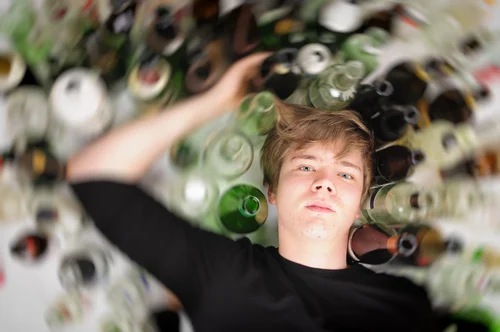
It's scary to think about teens using drugs or alcohol. As parents and adults who care, we want to protect them. But to do that, we need to understand why it happens. Teens don't just decide to try these things for no reason.
Here are five simple reasons why some teens turn to drugs and alcohol.
1. The Need to Fit In
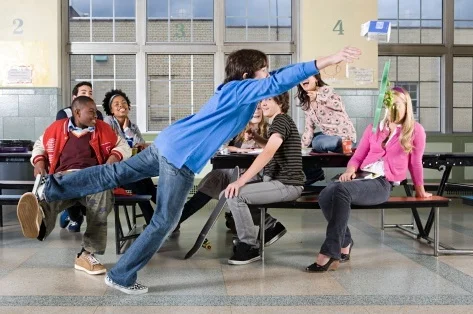
This is the biggest reason. For teenagers, friends are everything. They want to be liked and be part of the group. The fear of being left out is very powerful.
What it feels like for a teen:
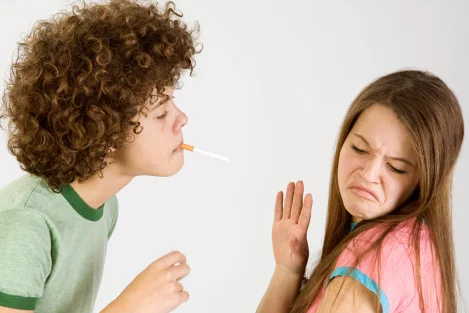
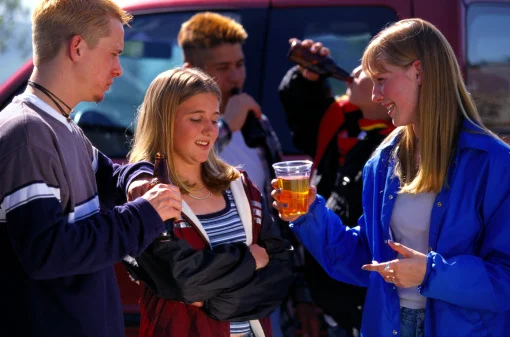
Imagine everyone is hanging out and someone offers them a drink or a cigarette. Saying "no" can feel like social suicide. They worry that their friends will laugh at them or stop inviting them. Saying "yes" feels like the price they have to pay to belong.
It’s not always about someone forcing them. It’s about the quiet pressure to be like everyone else. The substance is just a ticket into the group.
What we can do:
Help them build strong self-confidence. Encourage them to find friends who like them for who they are, not for what they do. Make home a safe and accepting place.
Also Read: Juvenile Delinquency: What Makes Teens Commit Crimes?
2. Stress and Pressure
Teen life is not all fun and games. They are under a lot of pressure.
- School Pressure: They are told that their exam results will decide their entire future.
- Activity Pressure: They feel they need to be great at sports, music, and clubs all at once.
- Future Pressure: They hear about problems in the world and worry about what their life will be like.
What it feels like for a teen:
Their brain is always busy and worried. Drugs or alcohol can feel like an "off switch." It’s a way to escape all that stress for a little while. They aren't trying to get wasted; they are trying to find some peace.
What we can do:
Talk to them about their stress. Help them find healthy ways to relax, like sports, art, music, or just going for a walk. Show them that their worth is not just about their grades.
3. Coping with Difficult Feelings
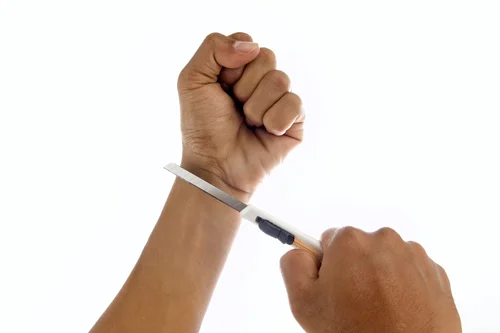
Many teens who use substances are struggling with feelings they don't understand. This includes sadness, worry, anger, or pain from past experiences.
What it feels like for a teen:
The emotional pain can feel too heavy to carry. They might not know how to ask for help, or they might feel ashamed. Alcohol or drugs can feel like medicine. It numbs the pain for a few hours.
This is very dangerous. While it might help for a short time, it makes their mental health much worse in the long run.
What we can do:
Pay attention to their emotions. If they seem sad or withdrawn for a long time, talk to them. Let them know it's okay to not be okay. Help them find a counsellor or a doctor—a real solution, not a dangerous one.
4. Curiosity and Rebellion
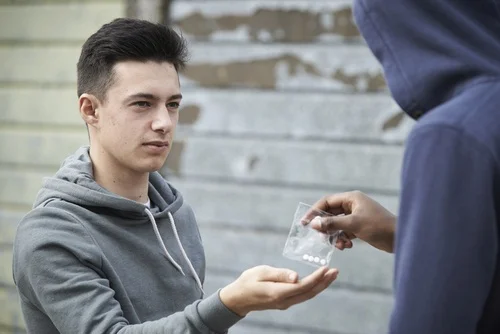
Teenagers are naturally curious and their brains are built to take risks. They want to test limits and become their own person.
What it feels like for a teen:
When an adult says "don't do that," it can make them want to do it more. It feels like a way to be independent and make their own choices. They also often believe "it won't happen to me." They think addiction is something that happens to other people, and that they can control it.
What we can do:
Have open, honest conversations, not just lectures. Explain the real risks without exaggerating. Help them understand that true independence is about making smart choices for themselves, not just following the crowd.
Read about: What Makes a Teenager Experiment with Drugs?
5. Family and Home Problems
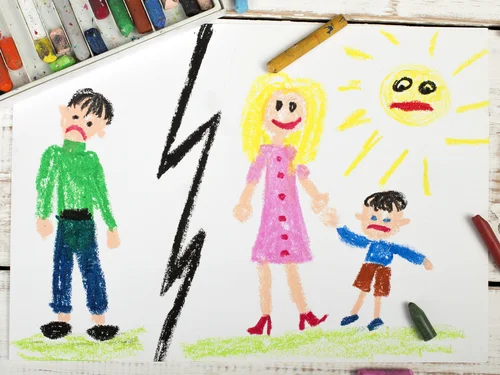
A teen's home environment has a huge impact. If there is constant arguing, violence, neglect, or if a family member uses substances, it makes a teen much more likely to use them too.
What it feels like for a teen:
Home is supposed to be safe. When it's not, they feel scared, alone, and unloved. They might use substances to escape the chaos at home. Or, they might just be copying what they see their own family members doing.
What we can do:
Work on making the home a stable, loving, and secure place. If there are problems like addiction in the family, get help. Show them, through your own actions, what a healthy life looks like.
The Bottom Line
Teens use drugs and alcohol to solve a problem. They are trying to fit in, escape stress, numb pain, feel independent, or escape a bad situation.
Our job is not to just get angry. It is to understand the real problem underneath. We need to listen, offer support, and give them better tools to handle life's challenges. The best protection we can offer is a strong, open, and trusting relationship.