+1 845 259 2974 (11 a.m to 7 p.m CST)

5 Ways To Keep Your Teen Away From Smoking
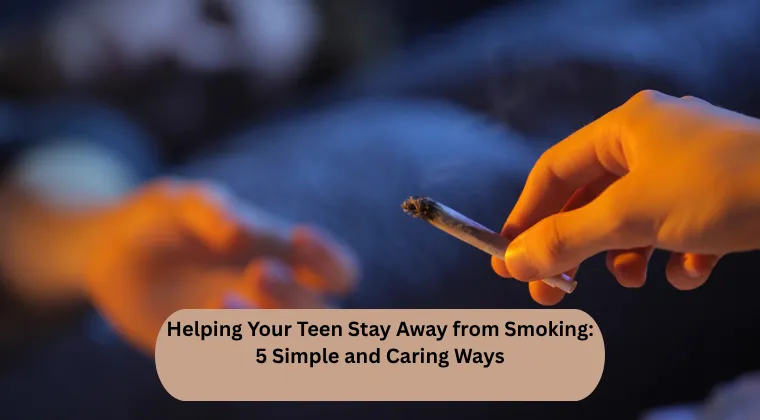
Raising a teenager is not easy. One day they listen to you, and the next day they want to make their own choices. This is a natural part of growing up, but it can also feel worrying, especially when harmful habits like smoking come into the picture.
Many teens do not start smoking because they want to damage their health. It usually begins quietly. A friend offers a cigarette. Someone makes it look normal. They try it once, just to see what it feels like. Over time, this small step can turn into a habit.
As a parent, you may feel unsure about how to handle this. Being too strict can push your child away. Being too relaxed can send the wrong message. What truly helps is a balanced approach, where your teen feels supported, understood, and guided.
Below are five practical and realistic ways to help your teen stay away from smoking, along with deeper insight to help you handle this phase with care.
1. Talk to Your Teen Like a Friend, Not a Judge
Communication is the base of everything. If your teen feels that every conversation will lead to scolding, they will stop opening up. And once that happens, it becomes much harder to guide them.
Try to speak in a calm and respectful way. Let them share their thoughts without interrupting. Even if they say something you disagree with, listen first.
When you talk about smoking, avoid strong or harsh words. Instead of saying, “This is wrong,” try saying, “I am concerned about you.” This small change makes a big difference.
Also, choose the right time. Do not bring up serious topics when your teen is tired or upset. A relaxed moment, like a quiet evening or a car ride, often works better.
Over time, your teen will begin to trust you. And when they trust you, they are more likely to think carefully before making risky choices.
2. Understand Why Teens Try Smoking
To guide your teen, you need to understand what is happening in their world. Teens face many pressures that adults sometimes overlook.
Some common reasons include:
- Wanting to fit in with friends
- Feeling curious about new experiences
- Trying to cope with stress or sadness
- Wanting to look mature or independent
If you only say “do not smoke” without understanding these reasons, your message may not reach them.
Take time to learn more about these triggers. This helpful guide explains it clearly.
When you understand their reasons, your advice becomes more meaningful. You can offer real solutions instead of just warnings.
For example, if your teen feels stressed, you can suggest activities like walking, sports, or even simple breathing exercises. If they feel left out, you can help them build confidence and find better company.
3. Teach Them About Peer Pressure and Media Influence
Today’s teens are surrounded by content. Social media, films, and even music can shape their thinking. Smoking is often shown as stylish or bold, which can be misleading.
Teens may not always realise that these images are created to attract attention, not to show reality.
Have open and simple discussions about this. Ask questions instead of giving lectures:
- “Do you think this is how real life works?”
- “Why do they show smoking like this?”
This encourages your teen to think for themselves.
You can also explore this topic here. When teens start questioning what they see, they become less influenced by it.
It is also helpful to talk about real-life consequences. Not in a frightening way, but in a clear and honest way. Help them understand that what looks cool for a moment can have long-term effects.
4. Set a Good Example at Home
Your behaviour shapes your child more than your words. Teens may not admit it, but they notice everything.
If smoking is common at home, it becomes harder to convince your teen to stay away from it. They may see it as normal behaviour.
If you smoke, be honest about it. Share your experience. Tell them it is not a good habit and that quitting is difficult. This honesty builds respect.
If you do not smoke, continue showing healthy habits. Let your teen see how you handle stress in positive ways.
Also, keep your home environment supportive. Avoid constant criticism or tension. A peaceful home reduces the chances of teens looking for escape through harmful habits.
5. Help Them Say “No” with Confidence
One of the biggest challenges for teens is saying no to friends. They fear being judged or left out.
Teach your teen that it is okay to make their own choices.
You can practise simple situations with them. Keep it light and natural:
- “No thanks, I do not like it.”
- “I am fine without it.”
Let them choose words that feel comfortable.
Also remind them that real friends will respect their decisions. If someone keeps pressuring them, that friendship may not be healthy.
Confidence takes time to grow. Support your teen in small ways. Praise their good decisions. Encourage their independence.
Pay Attention to Their Emotional Needs
Sometimes, smoking is not the main issue. It is a sign of something deeper.
Your teen may be feeling:
- Stressed from school
- Confused about their identity
- Lonely or disconnected
- Pressured to meet expectations
Instead of focusing only on the behaviour, try to understand these feelings.
Ask simple and gentle questions:
- “How are you feeling these days?”
- “Is anything bothering you?”
Even if they do not share everything, your effort shows that you care.
Emotional support is one of the strongest ways to protect your teen.
Encourage Healthy Activities and Interests
Keeping your teen engaged in positive activities can reduce the chances of smoking.
Encourage hobbies like:
- Sports
- Art or drawing
- Reading
- Music
- Learning new skills
These activities give them a sense of purpose and confidence.
When teens feel good about themselves, they are less likely to follow harmful habits.
Try to spend time with them as well. Even simple activities like watching a film together or going for a walk can strengthen your bond.
Know Their Friends and Social Circle
Friends play a big role during teenage years. It is important to know who your teen spends time with.
You do not need to control their friendships, but you should stay aware.
Invite their friends home. Talk to them casually. Observe their behaviour without being too obvious.
If you notice negative influence, discuss it calmly with your teen. Avoid blaming their friends directly. Focus on how certain situations can affect their choices.
What If Your Teen Already Tried Smoking?
If you find out that your teen has tried smoking, stay calm. Your reaction will shape what happens next.
Avoid shouting or punishing immediately. This can push them to hide things.
Instead, talk to them. Ask what happened and why. Listen carefully.
Once you understand the situation, guide them towards better choices. Explain the risks in a simple and honest way.
Remind them that one mistake does not define them.
Create a Safe and Supportive Home
A strong home environment makes a big difference.
Simple habits can help:
- Eat meals together when possible
- Spend time without screens
- Appreciate their efforts
- Give them space but stay connected
When teens feel safe at home, they are less likely to look for comfort in unhealthy habits.
Final Thoughts
There is no perfect way to raise a teenager. There will be challenges, and there will be moments of doubt.
What matters most is your presence in your child’s life. Stay involved. Stay patient. Keep the door open for conversation.
Helping your teen stay away from smoking is not about strict rules. It is about trust, guidance, and care.
Even small efforts can have a big impact. One calm talk, one moment of understanding, or one supportive gesture can change your teen’s path.
And sometimes, what they need most is simply to know that you are there for them, no matter what.