+1 845 259 2974 (11 a.m to 7 p.m CST)

Will More Bullying Help Your Kid Combat the Jabs at School?
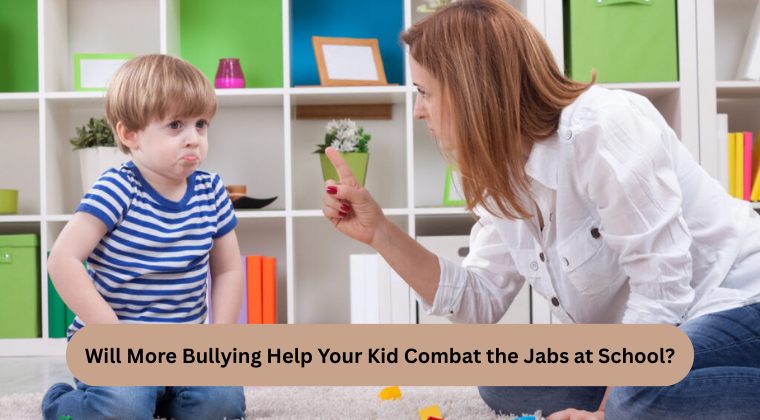
School bullying is one of those subjects that parents talk about in hushed tones, usually after something has already gone wrong. A child comes home quieter than usual. Homework takes longer. There is a sudden excuse to avoid school. And somewhere in the middle of all this, a troubling thought sometimes appears.
Maybe if the child toughens up.
Maybe a bit of pressure will make them stronger.
Maybe fighting fire with fire will help them survive.
This idea has been passed down for generations. Many adults grew up hearing lines like “It will make you stronger” or “The world is not soft, so neither should you be.” On the surface, it sounds practical. But when it comes to children, the reality is far more complex and, frankly, more painful.
So the real question is this.
Does more bullying actually help a child handle the jabs at school, or does it quietly break something that takes years to rebuild?
Understanding What Bullying Really Does to a Child
Bullying is often treated as a rite of passage. Something unpleasant but necessary. A way to prepare children for the “real world”. The problem is that childhood is not the real world. It is the stage where the brain, identity, and sense of safety are still forming.
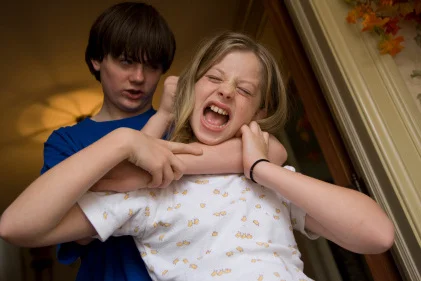
Bullying is not just teasing. It is repeated harm. It can be verbal, physical, social, or digital. And each form leaves marks, even when they cannot be seen.
Words, especially repeated ones, can sink deep. Constant jabs about appearance, intelligence, accent, or family situation slowly reshape how a child sees themselves. Over time, these words stop sounding like insults from others and start sounding like facts in the child’s own mind.
Research and real-life stories show that verbal abuse can have long-lasting effects on emotional health and self-worth.
When bullying becomes part of daily life, the child’s nervous system stays on high alert. School stops feeling like a place to learn and starts feeling like a battlefield.
The Myth of “Toughening Them Up”
Some parents believe that allowing bullying, or even being harsh at home, will prepare children to handle cruelty outside. The idea is that exposure builds strength.
In reality, repeated emotional stress does not build resilience. It builds fear, anger, or numbness
Resilience comes from feeling supported while facing difficulty, not from being abandoned to it.
When children are told to “just ignore it” or “hit back harder,” they often feel misunderstood. The message they hear is simple. Your pain is inconvenient. Deal with it alone.
This does not teach confidence. It teaches silence.
Children who are bullied and then dismissed at home are more likely to internalise their struggles. Some become withdrawn. Others act out. A few turn the hurt outward, becoming aggressive themselves.
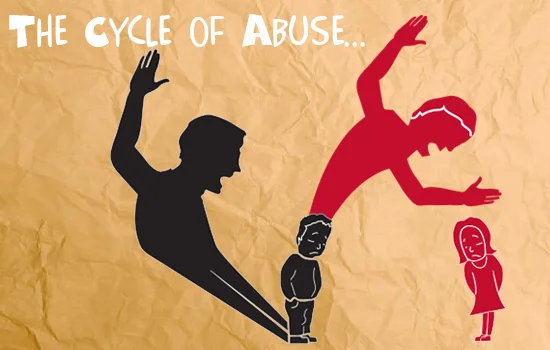
This is one reason why unresolved bullying can later show up as anger within the family. Pain that is not processed does not disappear. It changes shape.
Why More Bullying Often Makes Things Worse
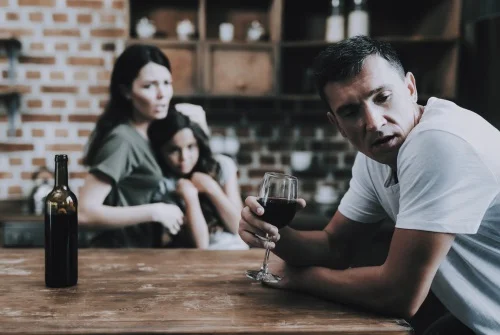
When a child is bullied at school and then faces harsh treatment at home, the message becomes overwhelming. There is no safe place.
Instead of learning how to respond to cruelty, the child learns that cruelty is normal.
This can lead to several outcomes:
- Lower self-esteem that lasts into adulthood
- Anxiety around social situations
- Difficulty trusting authority figures
- Increased risk of depression
- Trouble forming healthy relationships later in life
Some children cope by becoming overly agreeable. They try to please everyone to avoid conflict. Others cope by becoming aggressive, using the same tactics that were used against them.
Neither outcome is healthy.
Bullying does not teach problem-solving. It teaches survival mode. And survival mode is not a state where learning or growth happens.
The Difference Between Strength and Hardness
Strength is often confused with hardness. They are not the same.
Hardness is emotional armour. It blocks pain, but it also blocks empathy, joy, and connection.
Strength is flexibility. It allows a child to feel hurt, understand it, and still move forward with support.
A strong child can say, “That hurt me,” without feeling ashamed.
A hardened child says nothing and carries the wound alone.
Children do not become strong by being pushed into emotional corners. They become strong when someone stands beside them and helps them learn how to respond.
What Actually Helps Kids Handle School Jabs
If more bullying is not the answer, what is? The solutions are not flashy. They are slow, steady, and deeply human.
Listening without rushing to fix
Sometimes children do not need advice. They need space to speak without interruption. Without lectures. Without comparisons to “how it was back then”.
When a child talks about being bullied, the first response matters. Calm listening tells them their feelings are valid.
Teaching assertive communication.
Assertiveness is not aggression. It is the ability to speak clearly and calmly about boundaries.
Simple phrases like:
“Stop talking to me like that.”
“I do not find that funny.”
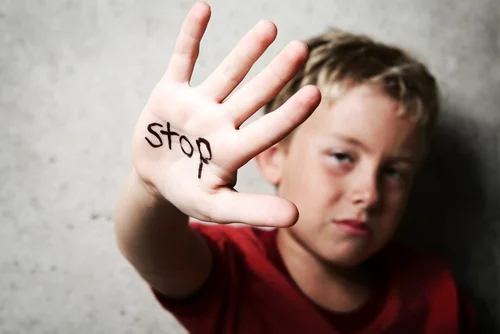
“Leave me alone.”
Practised at home, these lines can give a child confidence without encouraging violence.
Building identity outside school
When a child’s entire self-worth depends on school approval, bullying hits harder.
Encouraging interests outside the classroom helps balance this. Sports, art, reading, music, or volunteering can provide places where the child feels valued.
Involving the school early
Many parents wait too long, hoping the situation will resolve itself. Early communication with teachers or counsellors can prevent patterns from becoming entrenched.
This is not about overreacting. It is about protecting mental health.
The Emotional Cost of Telling Kids to “Hit Back”
Encouraging children to bully back often sounds empowering. In practice, it places a heavy burden on them.
It asks a child, who is already hurt, to become someone they are not.
For some, this leads to guilt and confusion. For others, it opens the door to ongoing conflict and punishment at school. Either way, the original problem remains unsolved.
Children need tools, not ultimatums.
They need to know that defending themselves does not mean becoming cruel. It means knowing when to speak up, when to walk away, and when to ask for help.
When Bullying Starts Shaping Behaviour at Home
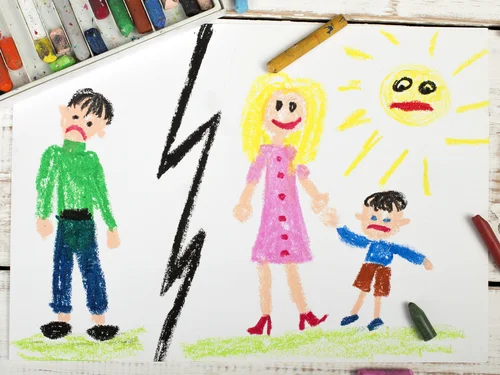
Unaddressed bullying often spills into family life. Mood swings. Sudden anger. Disrespect. Withdrawal.
Parents sometimes see these behaviours as defiance, without realising they are signs of distress.
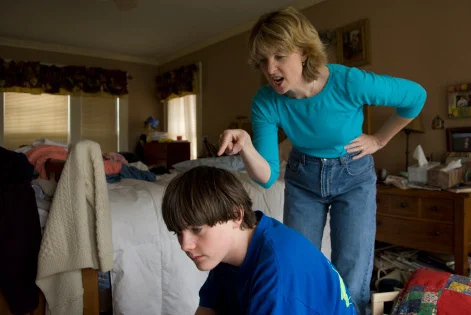
A child who feels powerless all day may try to regain control at home. This can strain relationships and create cycles of punishment and resentment.
Understanding the root cause changes the response. Discipline without empathy can escalate the problem. Guidance with boundaries can slowly restore balance.
Teaching Kids That Kindness Is Not Weakness
One of the most damaging ideas children absorb is that kindness equals weakness.
In reality, kindness requires strength. It takes courage to stay true to oneself in the face of ridicule.
When adults model respectful communication, calm conflict resolution, and self-respect, children notice. They learn that power does not have to be loud or cruel.
This does not mean raising passive children. It means raising grounded ones.
The Role of Emotional Safety at Home
Home should be the place where masks come off. Where children can admit fear, anger, or confusion without being judged.
Emotional safety does not mean permissiveness. It means consistency, warmth, and clear expectations.
When a child knows that home is safe, school jabs lose some of their power. There is a place to land. A place to recover.
Without that, every insult feels heavier.
Breaking the Cycle for the Next Generation
Many adults carry scars from their own childhood bullying. Some never spoke about it. Some were told it did not matter.
It does matter.
Choosing a different response for today’s children is not weakness. It is growth.
Teaching empathy, boundaries, and self-worth creates adults who can handle criticism without collapsing or lashing out.
That is real preparation for the world.
Final Thoughts
So, will more bullying help your kid combat the jabs at school?
The honest answer is no.
More bullying does not build strength. It builds layers of hurt that children spend years unlearning. Strength grows from support, understanding, and guidance, not from repeated emotional blows.
Children do not need thicker skin. They need steadier ground beneath their feet.
One kind word, one safe conversation, one adult who takes them seriously can change everything. Even when the world feels loud and cruel, that quiet support can make a child feel seen. And sometimes, being seen is all it takes to start healing. Even if the world still feels a little unfaair.