+1 845 259 2974 (11 a.m to 7 p.m CST)

Don't Burden Your Kids With Parental Issues
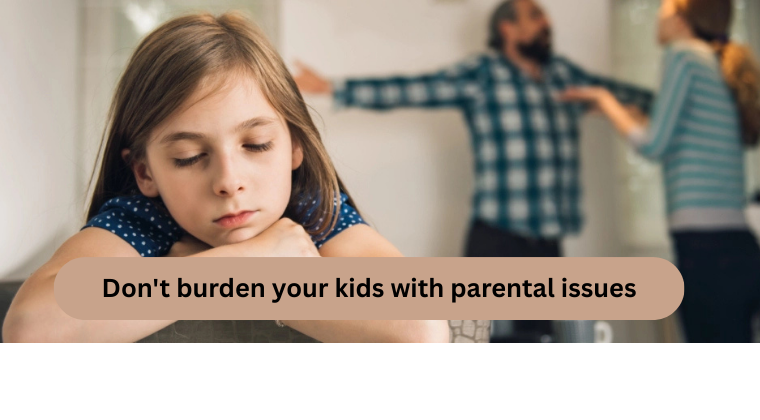
Children are born into families, not into problems. Yet many grow up carrying the emotional weight of adult worries that were never meant for their small shoulders. Parents do not do this out of cruelty. Most of the time, it happens quietly, during moments of exhaustion, loneliness, or fear. A parent talks too much. A child listens too well. And before anyone realises it, the roles begin to blur.
This article is a reminder, not an accusation. It is written for parents who love their children deeply but may not see how sharing adult struggles can slowly harm a child’s sense of safety. Children need guidance, honesty, and warmth. They do not need to become emotional partners, mediators, or therapists inside their own homes.
What does it mean to burden a child with parental issues
Burdening children with parental issues does not always look dramatic. It is rarely a single conversation or a clear confession. It often shows up in small, repeated moments.
- A parent vents about money stress to a child who cannot fix it.
- A mother cries about her marriage and expects comfort from her son.
- A father complains about the other parent and waits for agreement.
Over time, the child learns that their role is to listen, soothe, and carry emotional weight. This is sometimes called emotional parentification, though many families never use that term. What matters is the effect. The child stops feeling like a child.
Children depend on adults to make sense of the world. When adults lean on them for emotional support, the world begins to feel unsafe and unstable.
Why parents do this without meaning to
Most parents who overshare are not careless. They are overwhelmed.
Modern parenting is isolating. Extended families live far away. Friendships fade under work pressure. Mental health support can feel expensive or out of reach. In those moments, children are nearby, attentive, and loving. They listen without judgement. They offer hugs. They seem to understand.
But understanding is not the same as being able to cope.
A child’s empathy does not mean readiness. When parents rely on children for emotional relief, they unintentionally reverse roles. The child becomes the steady one. The parent becomes fragile.
This dynamic often forms during periods of crisis. Divorce, financial strain, illness, or domestic conflict can push parents into survival mode. In that state, boundaries slip.
The hidden cost for children
Children who carry parental problems often appear mature for their age. They may be praised for being sensible, calm, or responsible. Inside, though, they are often anxious and confused.
- They may worry constantly about their parent’s wellbeing.
- They may feel guilty for wanting normal childhood things.
- They may believe their own needs are less important.
Some children become perfectionists, trying to keep everyone happy. Others shut down emotionally, learning that feelings are dangerous. Many struggle later in adult relationships, either overgiving or avoiding closeness altogether.
A child who feels responsible for a parent’s emotions learns one dangerous lesson early. Love means sacrifice of self.
When family conflict becomes a child’s problem
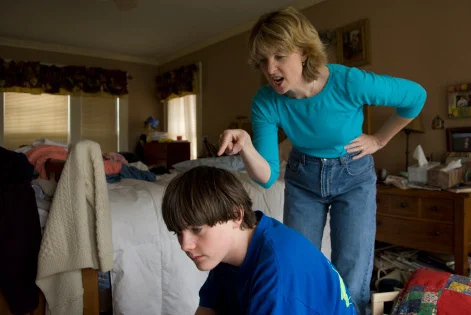
One of the most damaging forms of emotional burden happens when children are pulled into adult conflict. This includes arguments, resentment, and unresolved anger between parents.
When a child hears repeated complaints about the other parent, they feel forced to choose sides. Loyalty becomes painful. Silence feels like betrayal.
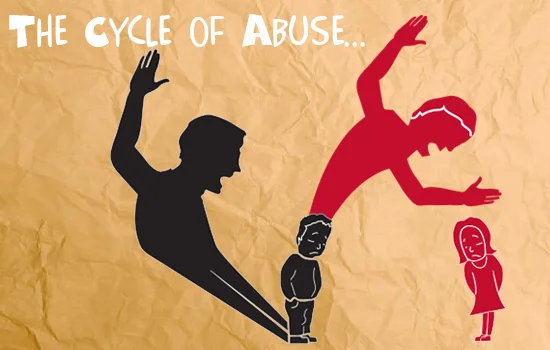
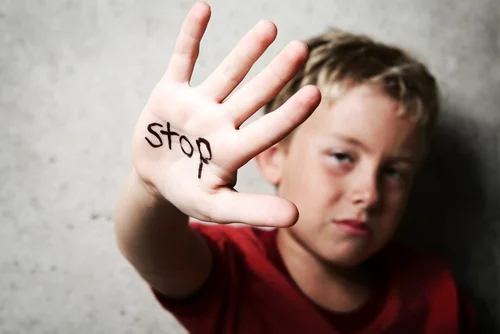
In households where conflict turns aggressive, the effects are even deeper. Exposure to verbal or emotional abuse changes how children see themselves and others. It can shape their behaviour well into adulthood.
Children who grow up around intense conflict may later struggle with anger themselves. Some act out at home, not because they are bad, but because they have learned unhealthy ways to express distress. In extreme cases, unresolved family dynamics can contribute to violent behaviour towards parents in adolescence.
These outcomes do not appear overnight. They are built slowly, through years of emotional overload.
The difference between honesty and oversharing
Many parents worry that shielding children means lying. It does not.
Healthy honesty is age appropriate, calm, and reassuring. Oversharing is emotionally charged and seeks comfort from the child.
For example, saying “Money is a bit tight right now, but the adults are handling it” gives a child information without fear. Saying “I do not know how we will survive this month” places anxiety directly on the child.
Children do not need every detail. They need to know that someone capable is in charge.
When parents explain difficulties with confidence and boundaries, children feel included without being burdened.
Signs your child may be carrying too much
Children rarely say, “This is too much for me.” Instead, they show it.
- They may seem overly worried about adult matters.
- They may ask questions about problems that do not concern them.
- They may comfort you instead of seeking comfort.
- They may struggle with sleep, stomach aches, or sudden mood changes.
Some children become the family peacemaker. Others grow resentful or distant. These are not personality flaws. They are coping strategies.
If a child feels emotionally responsible for a parent, they may suppress their own feelings to avoid adding to the load. Over time, this creates emotional numbness or sudden emotional outbursts.
Cultural silence and emotional expectations
In many cultures, children are expected to be respectful, obedient, and emotionally available. They are taught to listen quietly and not question adults. While respect is important, silence can be harmful.
Children raised in such enviroment often feel they must absorb adult pain without protest. They may believe that saying “this hurts me” is disrespectful or selfish.
This silence makes it harder for parents to notice the damage. A child who does not complain may still be struggling deeply.
Breaking this cycle requires intention. It requires parents to reflect on how much they share, and why.
What healthy emotional boundaries look like
Healthy families are not emotionless. They talk. They feel. They connect. The difference lies in direction.
In a healthy family, emotional support flows primarily from parent to child. Parents listen to children’s fears, not the other way around.
This does not mean parents must pretend to be perfect. It means they choose carefully what they bring to their children.
Healthy boundaries include:
- Not venting adult anger to children.
- Not using children as messengers between adults.
- Not expecting children to take sides.
- Not relying on children for emotional reassurance.
Instead, parents can model emotional regulation. Saying “I am upset, but I will be okay” teaches resilience without fear.
Finding support outside your child
Every parent needs support. Expecting one person to carry everything is unrealistic. Expecting a child to do it is unfair.
Support can come from friends, family, counsellors, faith communities, or support groups. Even journaling can help release thoughts that do not belong in a child’s world.
Seeking help is not weakness. It is responsibility.
When parents process their struggles with other adults, they free their children to be children. They allow play, curiosity, and emotional growth to happen naturally.
Teaching children without transferring pain
Children learn from watching. They see how adults cope with stress, disappointment, and conflict. These moments can teach strength without burden.
- A parent who apologises after losing their temper teaches accountability.
- A parent who takes space to calm down teaches self control.
- A parent who asks for help teaches humility.
None of this requires emotional dumping.
Children do not need to know every fear you have had. They need to know that fear can be managed.
The long term gift of emotional safety
When children are protected from adult emotional weight, they grow up with a strong internal foundation. They trust that problems can be handled. They feel safe to express their own needs.
As adults, they are more likely to form balanced relationships. They give without losing themselves. They listen without absorbing everything.
This is not about raising sheltered children. It is about raising secure ones.
A quiet promise parents can make
Every parent will slip at times. Stress will leak through. Tears will fall. Perfection is not the goal.
The goal is awareness.
A quiet promise helps.
“My child is not my emotional support.”
“My child deserves lightness.”
“My child’s job is to grow, not to carry me.”
When parents hold this promise, homes feel calmer. Children breathe easier. Love becomes safer.
Children will face their own struggles soon enough. They do not need to inherit ours early.
Let them laugh loudly. Let them worry about small things. Let them sleep without fear.
They will thank you later, even if they never find the words.